Who was behind Iran’s deadly crackdown?
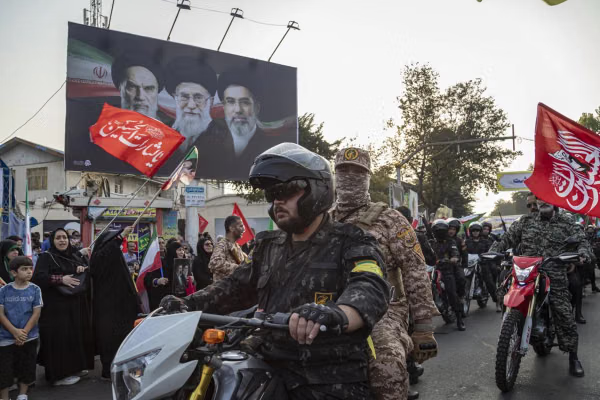
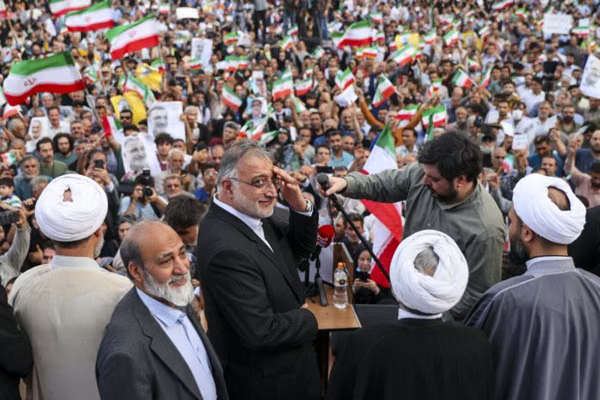
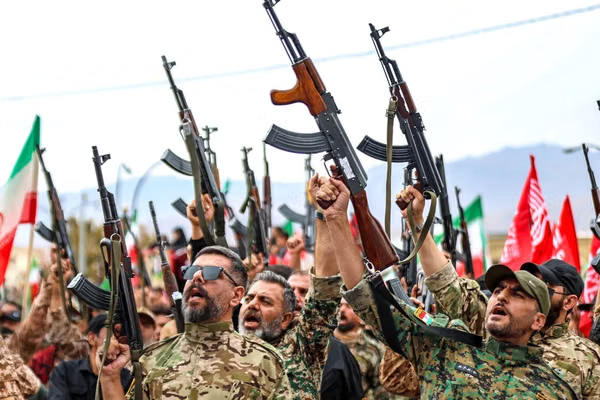
The reported killing of thousands of protesters across Iran in just two days has raised a central question: who carried out the deadliest crackdown in the country’s living memory?

The reported killing of thousands of protesters across Iran in just two days has raised a central question: who carried out the deadliest crackdown in the country’s living memory?

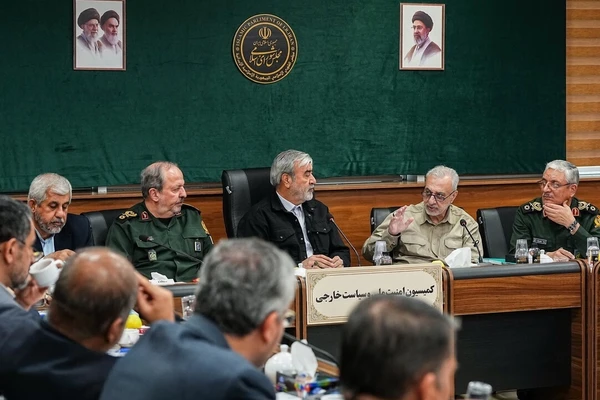
A review of public statements by Iran’s senior officials since late December suggests a marked hardening of tone as protests escalated, a shift that coincided with a sharp intensification of the state’s security response.
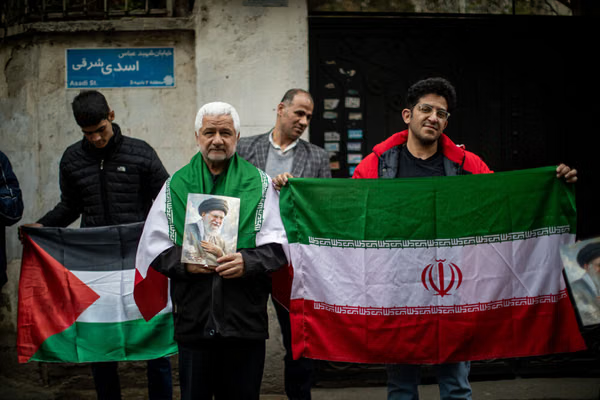
State media in Iran have widely circulated images of damaged mosques and burned Qurans inside, blaming protesters they brand “terrorists” and portraying its deadly crackdown on a protest uprising as a sacred defense of holy places.
Several foreign influencers supportive of the Islamic Republic have published content portraying life in Tehran as calm despite an escalating deadly crackdown on protests across the country amid an internet blackout.

Tehran is signaling no retreat in the face of escalating protests, issuing fresh threats and hardening its rhetoric even as unrest continues across multiple cities.

The Islamic Republic has entered a decisive rupture, with intensifying protests and internet blackouts pointing to a government increasingly reliant on force — dynamics that senior Western officials and analysts suggested may mark the beginning of an endgame.

Dozens of people have been killed in protests across Iran in recent days, according to human rights groups and witness accounts, with the full scale of casualties from Thursday night still unknown after authorities imposed a nationwide internet blackout.

What happened in Iran on Thursday night was not simply another protest. Coordinated mass demonstrations unfolded nationwide in response to a direct call from Prince Reza Pahlavi that specified not only the action but also the timing.

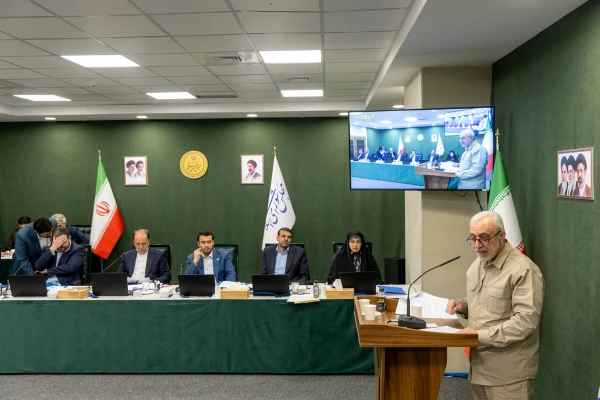
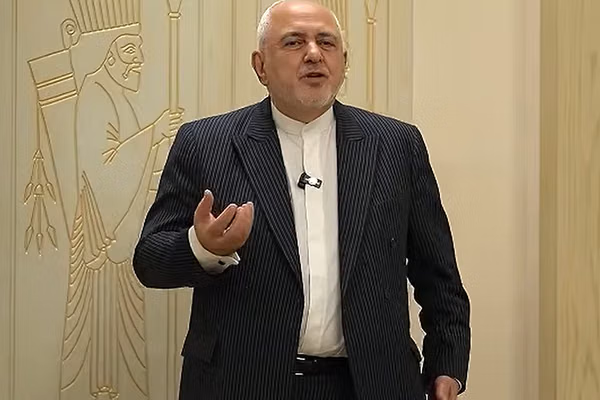
Iranian officials have begun publicly blaming one another and foreign foes for ongoing unrest across the country, exposing sharp divisions in Tehran on one of the greatest challenges yet to the Islamic Republic.

The Western Iranian province of Ilam has emerged as one of the epicenters of nationwide protests, with some of the deadliest confrontations yet between demonstrators and security forces.

Iran may not be Venezuela, but the Islamic Republic may at its most vulnerable point in its near 50-year existence as pressure builds from the streets, foreign intelligence services and inside the clerical establishment, analysts told Iran International.

State media in Iran are portraying the country as calm, even as rights groups and videos emerging from streets point to expanding protests and intensifying repression.

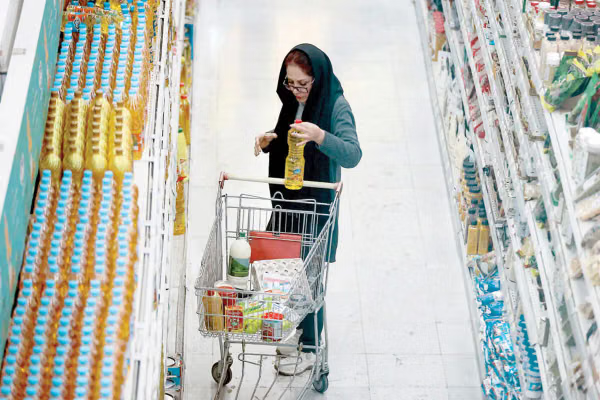
Tehran’s plan to distribute cash handouts to nearly the entire population appears aimed at calming protests driven by relentless price increases. Whether it will work remains an open question.

A new photo of US President Donald Trump posing with a “Make Iran Great Again” hat is ramping up suspense over US intentions as protests there which Trump vowed to protect are being met with deadly force.

The seizing of Venezuela’s Nicolas Maduro by US forces over the weekend has sharpened debates in Tehran about President Donald Trump’s endgame in Iran, as anti-government protests across the country enter a second week.

As protests once again ripple across Iran, the country’s political establishment is moving quickly to revive an economic reform agenda that many Iranians say no longer speaks to the core of their anger.

Tehran’s response to the protests this week has looked markedly different, whether out of calculation or necessity, with Iranian media reporting on the unrest, the government striking a conciliatory tone and the internet remaining largely accessible.

Iran’s theocracy exits 2025 battered yet still standing, with analysts telling Eye for Iran that Tehran is interpreting survival after a punishing war with Israel, regional losses and domestic strain as grounds for taking greater risks in 2026.

A series of rare viral videos by Iranian police officers describing severe financial hardship has triggered widespread reaction, with retractions by officers involved fueling allegations of pressure.

Cafés—and the social life that has grown around them—have become the latest battleground for Iran’s hardliners, who increasingly see their control over everyday behavior slipping out of reach.

A cluster of former officials and pundits in Tehran has sought to downplay the likelihood of a US-backed Israeli strike on Iran, arguing that Washington has little appetite for such military action.

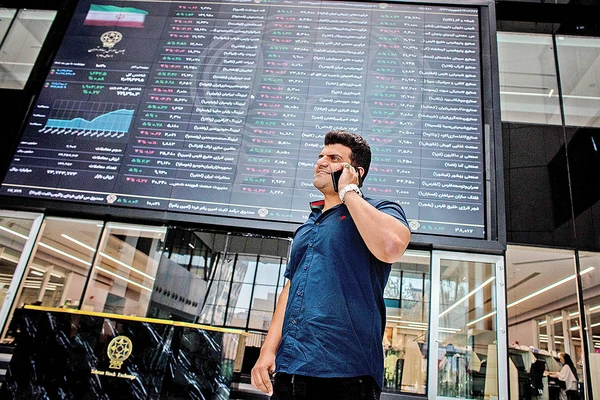
A rare on-air admission of economic collapse by a senior Iranian official this week briefly pierced the state’s carefully managed narrative—only to be reinforced hours later by leaked budget talks revealing how little financial room the government actually has.