Iran Claims 60% Growth In Oil Production Since 2021

The CEO of the National Iranian Oil Company announced a 60% growth in the country's oil production over the past two years in spite of global sanctions.
The CEO of the National Iranian Oil Company announced a 60% growth in the country's oil production over the past two years in spite of global sanctions.
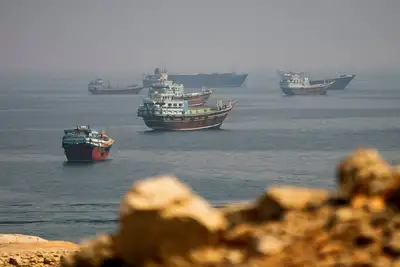
While Mohsen Khojasteh-Mehr attributed the achievement to “meticulous planning” within the government of President Ebrahim Raisi, a substantial portion of the shipments originated from stockpiled oil on tankers and ground facilities. With these reserves diminishing, Iran faces the imperative to boost production to sustain the current export pace.
The deputy oil minister stated that according to the statistics of the Central Bank of Iran (CBI), the oil and gas sectors have played the biggest role in the country's economic growth.
According to reports from the IRNA state news agency, Khojasteh-Mehr also added that “in the past two years, the oil industry has witnessed the signing of 54 contracts valued at $80 million.” He specified that the National Iranian Oil Company “holds 29 contracts, totaling $29 million, and anticipates an additional $40 million to be added to the company's share by the year's end.”
Experts say Iran possessed a stockpile of 115 million barrels in mid-2022. However, most of this oil has been sold, leaving only 27 million barrels—a quantity barely sufficient to sustain one month of exports.
Despite full US sanctions on Iranian oil exports imposed in May 2019, China remains the primary buyer. Initially, Iran's shipments dropped significantly to around 300,000 barrels per day. However, following the Biden administration's indirect talks with Tehran to revive the JCPOA nuclear deal, Chinese purchases increased. Some observers suggest that the United States has exercised restraint in cracking down, possibly to avoid jeopardizing the prospects of a nuclear deal.